Should Small Businesses Run Sales? (And What to Do Instead)
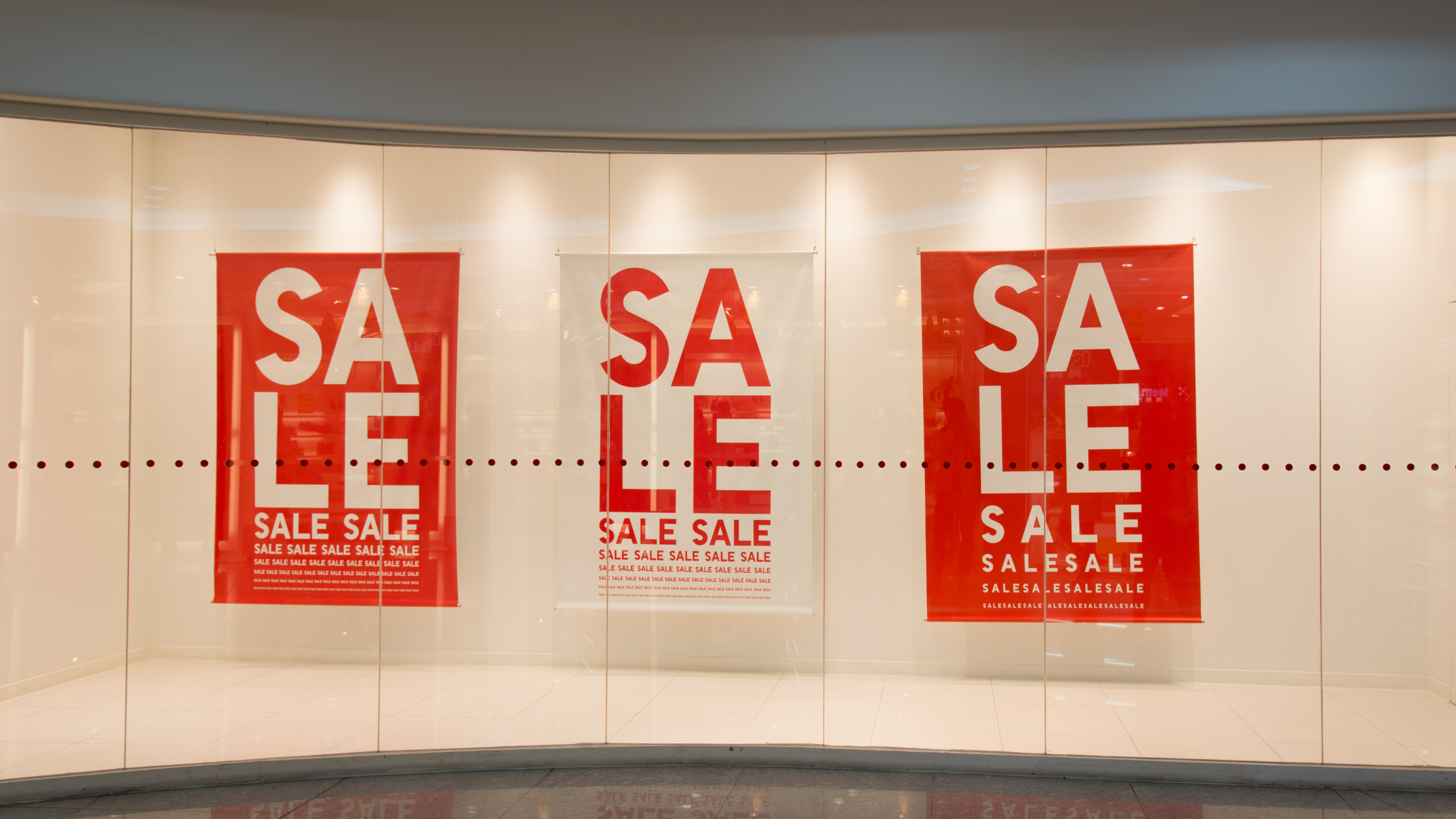
At this time of year, it’s hard to avoid a sale email, ad or promotion. EOFY sales. Mid-season sales. Then before you know it, Black Friday, pre-Christmas, Boxing Day... and just-because sales.
The inbox fills up, social media follows suit, and before long it feels like every business is offering some sort of discount. If you’re a small business owner, your heart sinks a little. Then you start wondering whether you should be doing the same.
So should small businesses run sales at all? I’m not anti-sale. There are absolutely times when a sale makes sense. Sometimes stock needs to move. Sometimes cash flow needs a boost. Sometimes a promotion gives customers a useful reason to buy now rather than later. But when every major retailer is running one, it can feel like you’re supposed to follow. If everyone else is discounting, surely customers expect it.
Why the same discount costs a small business more
Consumers rarely think about this, and it’s what makes sale culture feel so unfair for smaller businesses. Large retailers and small businesses work with completely different economics. A national chain has buying power, supplier incentives, marketing budgets and sales volumes that let it absorb a discount in ways a small business simply can’t.
For a small business, the same percentage hits much harder. What looks like 20% or 30% off to the customer can be a significant share of the profit that keeps the doors open. The number on the ad might be the same. The cost is not.
How regular discounting changes the way customers see you
Whether we realise it or not, price plays a key role in positioning. Maybe you’ve spent years building a reputation for quality, expertise, service or craftsmanship. Frequent discounting quietly tells a different story. Customers start to question the value of what they’re buying, and whether the original price was ever the real price.
It doesn’t happen overnight, and one sale won’t do it. But over time, regular discounting makes it harder to hold the position you worked so hard to build.
Customers pay attention, and they have long memories. If they know you run an EOFY sale every year, or that Black Friday is your biggest promotion, many will simply wait. That isn’t because they don’t value what you sell. They’ve learned that a better deal is just around the corner, and your full-price trade starts to feel it.
That’s when things get difficult. Businesses end up working harder and harder to create urgency because customers have stopped buying at full price. The sale that was meant to give a short-term boost becomes the thing that teaches customers to hold off.
Alternatives to discounting: what small businesses can focus on instead
It can feel like the deck is stacked, but small businesses have advantages the big players really struggle to match. In my experience, the most resilient small businesses build value rather than cut price. They give customers reasons to come back, to recommend them, and to choose them even when something cheaper is on offer.
Build relationships
The most resilient businesses invest heavily in relationships. They remember names. They provide great service. They communicate consistently. Trust, familiarity and good experiences do the heavy lifting. Relationships create loyalty, and loyalty makes people less sensitive to price.
That’s incredibly hard for large competitors to replicate, because of how far removed they are from their customers.
Build a community
People like feeling connected to the businesses they support. That could be a local retailer, a salon, a football club or a professional service. Businesses that create a sense of belonging often earn stronger loyalty than those relying on promotions alone. Community gives people a reason to stay long after the sale has ended.
Add value instead of reducing price
Instead of asking how much you can take off, ask what you could add. A gift with purchase. An exclusive event. A bonus service. Priority access. A useful resource. A follow-up phone call.
The customer receives more, and the value of what you sell stays intact.
Look after the customers you already have
One thing I see constantly in small business is the energy spent chasing new customers while the people who already know, like and trust the business quietly drift away. New customers matter, and every business needs them. But existing customers are often where the easiest opportunities sit. They already understand what you do. They’ve experienced your product or service, and they’ve chosen you once before.
When budgets are tight or sales have slowed, it’s tempting to pour everything into finding new people. Often the quicker fix is checking whether you’re staying connected to the customers you’ve already worked hard to win.

How to run a sale without devaluing your brand
If you do want to run a sale, there are smarter options than a blanket discount across everything you sell.
A loss leader can work well. Discount one specific product or service to bring people through the door, and keep everything else at full price. One item does the work of creating interest, and the rest of the business keeps its value.
Bundling is another option. Offer two products or services together for a slightly lower combined price. Customers feel like they’re getting a deal, and you lift the overall spend instead of discounting what they were going to buy anyway.
A value-add bundle works on the same principle. Customers buy one item and get a smaller complementary piece included, or book a service and receive a related extra at no charge. The customer feels rewarded, and your pricing stays protected.
You can also limit a sale to a specific range, a couple of set days, end-of-season stock or older inventory. That way you move what genuinely needs moving and leave your best-sellers and premium items alone. Those are usually the ones doing the most work for your positioning.
What separates these approaches from a sitewide sale is control. You decide exactly what moves and why, instead of training customers to expect a discount on everything you do.
One last thought
Sales have their place in a marketing strategy. There will always be stock to move, seasons to respond to, and moments where a promotion makes perfect sense. That’s not really what this is about.
What interests me more is the pressure on small businesses to follow the same sales cycles as much larger organisations, even when they know it doesn’t serve them long term. You don’t have to. Think carefully about your customers, what they value, and what you want your business to stand for, then commit to a strategy that’s actually yours.
A Black Friday sale might create a spike in revenue. The most resilient businesses are usually building something else: relationships, community, and a customer experience worth returning to. They communicate their value clearly and give people real reasons to come back all year.
Yes, that takes longer to build than a sale campaign. It’s also much harder for competitors, and the bigger guys, to copy. And unlike a discount, its value doesn’t disappear when the promotion ends.
Weighing up whether a sale makes sense for your business this year? That’s exactly the kind of question a Marketing Clinic session is built for.